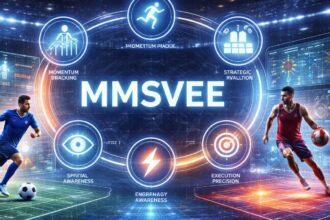

In the rapidly evolving world of sports, success is no longer determined solely by talent and hard work. Modern athletes, coaches, and teams are embracing innovative approaches that combine data analytics, psychology, and structured planning to gain a competitive edge. One such emerging concept that is transforming the sports landscape is Plangud.
Plangud is more than just a training philosophy—it is a comprehensive sports framework that integrates planning, guidance, and data-driven decision-making to enhance athletic performance. Whether you are a professional athlete, a coach, or a fitness enthusiast, understanding Plangud can help you unlock new levels of efficiency, consistency, and success.
This blog explores the concept of Plangud, its core principles, applications across different sports, and how it is shaping the future of athletic performance.
What is Plangud?
Plangud is a hybrid term derived from:
-
Plan – Strategic preparation and structured training
-
Guid (Guidance) – Coaching, mentorship, and direction
At its core, Plangud focuses on intentional performance development. It emphasizes that every action in training and competition should have a clear purpose backed by analysis and continuous feedback.
The Philosophy Behind Plangud
Traditional sports training often relies on repetition and generalized routines. Plangud challenges this by promoting:
-
Strategic Thinking Over Random Effort
-
Personalized Training Plans
-
Continuous Feedback Loops
-
Integration of Technology
-
Holistic Athlete Development
The philosophy encourages athletes to train smarter rather than just harder.
Core Principles of Plangud
1. Structured Planning
Every successful athlete follows a plan, but Plangud takes it a step further by introducing micro and macro planning cycles.
Macro Planning
-
Seasonal goals
-
Tournament preparation
-
Peak performance timing
Micro Planning
-
Daily workouts
-
Weekly targets
-
Recovery scheduling
This layered planning ensures consistency and progress.
2. Guided Training
Coaching plays a vital role in Plangud. It emphasizes:
-
Real-time feedback
-
Skill correction
-
Tactical awareness
Guided training helps athletes avoid mistakes and maximize efficiency.
3. Data-Driven Performance
Modern sports rely heavily on data. Plangud integrates:
-
Performance analytics
-
Wearable technology
-
Motion tracking systems
These tools provide insights into:
-
Speed
-
Endurance
-
Reaction time
-
Recovery rates
4. Mental Conditioning
Physical strength alone is not enough. Plangud focuses on:
-
Mental resilience
-
Focus and concentration
-
Stress management
Athletes are trained to perform under pressure and maintain composure during critical moments.
5. Recovery Optimization
Recovery is often overlooked but is essential for peak performance.
Plangud includes:
-
Sleep optimization
-
Nutrition planning
-
Active recovery sessions
Plangud in Different Sports
Football (Soccer)
In football, Plangud enhances:
-
Tactical formations
-
Player positioning
-
Match analysis
Coaches use data to adjust strategies based on opponent behavior.
Cricket
Plangud helps cricketers by:
-
Analyzing batting techniques
-
Improving bowling accuracy
-
Studying opponent weaknesses
Players can refine their skills using video analysis and performance metrics.
Basketball
In basketball, Plangud focuses on:
-
Shot efficiency
-
Defensive positioning
-
Game tempo control
Teams use analytics to optimize scoring opportunities.
Athletics
For track and field athletes, Plangud provides:
-
Sprint analysis
-
Endurance tracking
-
Injury prevention strategies
Esports
Even in esports, Plangud plays a role by:
-
Improving reaction time
-
Enhancing decision-making
-
Analyzing gameplay patterns
The Role of Technology in Plangud
Technology is a cornerstone of the Plangud framework.
Key Tools
-
Wearable Devices
-
Track heart rate and movement
-
-
AI-Based Coaching Systems
-
Provide real-time feedback
-
-
Video Analysis Software
-
Break down performance frame by frame
-
-
Performance Dashboards
-
Visualize progress and trends
-
Building a Plangud Training Program
Creating a Plangud-based program involves several steps.
Step 1: Assessment
-
Evaluate current fitness level
-
Identify strengths and weaknesses
Step 2: Goal Setting
-
Short-term goals
-
Long-term objectives
Step 3: Planning
-
Design structured routines
-
Allocate training and recovery time
Step 4: Execution
-
Follow the plan consistently
-
Monitor performance
Step 5: Review and Adjust
-
Analyze results
-
Modify strategies
Nutrition in Plangud
Nutrition is a critical component of athletic performance.
Key Elements
-
Proteins for muscle repair
-
Carbohydrates for energy
-
Fats for endurance
-
Hydration for overall function
Timing Matters
-
Pre-workout meals
-
Post-workout recovery nutrition
Injury Prevention and Management
Injuries can derail an athlete’s career.
Plangud addresses this through:
-
Proper warm-ups
-
Strength conditioning
-
Flexibility training
-
Load management
Mental Strength in Sports
Plangud emphasizes mental conditioning as much as physical training.
Techniques
-
Visualization
-
Meditation
-
Breathing exercises
Benefits
-
Improved focus
-
Reduced anxiety
-
Better decision-making
Plangud for Amateur Athletes
You don’t need to be a professional to benefit from Plangud.
Tips for Beginners
-
Start with simple routines
-
Track your progress
-
Seek guidance when needed
Plangud for Coaches
Coaches play a crucial role in implementing Plangud.
Responsibilities
-
Designing training programs
-
Providing feedback
-
Motivating athletes
Common Mistakes in Sports Training
1. Lack of Planning
Solution: Follow structured routines
2. Overtraining
Solution: Include recovery periods
3. Ignoring Data
Solution: Use analytics for improvement
4. Neglecting Mental Health
Solution: Practice mindfulness
Benefits of Plangud
-
Improved performance
-
Reduced injury risk
-
Better consistency
-
Enhanced decision-making
Real-Life Applications
Many modern teams and athletes are unknowingly applying Plangud principles by:
-
Using analytics
-
Hiring specialized coaches
-
Monitoring performance data
Future of Plangud
The future of sports will be heavily influenced by:
-
Artificial intelligence
-
Virtual reality training
-
Advanced biomechanics
Plangud will continue to evolve with these technologies.
Creating a Winning Mindset
Success in sports requires the right mindset.
Key Traits
-
Discipline
-
Consistency
-
Adaptability
-
Confidence
Daily Routine Example
Morning
-
Warm-up and training
Afternoon
-
Skill practice
Evening
-
Recovery and analysis
Plangud and Team Dynamics
Team sports benefit greatly from Plangud.
Focus Areas
-
Communication
-
Coordination
-
Strategy alignment
Balancing Training and Life
Athletes must maintain balance.
Tips
-
Manage time effectively
-
Prioritize rest
-
Maintain social connections
Conclusion
Plangud represents a new era in sports—a shift from unstructured training to intelligent, data-driven performance development. By combining planning, guidance, technology, and mental conditioning, it offers a comprehensive framework for athletes at all levels.
Whether you are aiming for professional success or personal fitness goals, adopting the Plangud approach can transform your journey. It’s not just about playing the game—it’s about mastering it with purpose, precision, and strategy.
Final Thoughts
Sports are evolving, and so should the way we train. Plangud provides the tools and mindset needed to excel in today’s competitive environment. By embracing this approach, athletes can unlock their full potential and achieve sustainable success.
Make Plangud a part of your routine—and take your performance to the next level.