In today’s fast-paced digital world, professionals—from startup founders to software engineers—are constantly pushing their limits. Long working hours, high-pressure environments, and prolonged screen exposure have reshaped how we think about health. As a result, new patterns of physical discomfort are gaining attention, even if they are not yet formally defined in medical literature.
One such emerging concept is inomyalgia, a term often used to describe persistent, internal muscle discomfort associated with stress, inflammation, and lifestyle strain.
Although inomyalgia is not widely recognized as a clinical diagnosis, the symptoms it represents are very real. Many professionals in demanding environments experience similar issues, often comparable to conditions like Myalgia or even overlapping with chronic disorders such as Fibromyalgia.
Understanding this condition is no longer optional—it’s essential for maintaining productivity, mental clarity, and long-term well-being.
What Is Inomyalgia?
At its core, inomyalgia refers to a deep, persistent form of muscle discomfort that feels internal and difficult to localize. Unlike post-workout soreness, it develops gradually and often lingers over time.
People experiencing inomyalgia commonly report:
-
A dull, internal muscle ache
-
Ongoing stiffness
-
Sensitivity without visible injury
-
Fatigue linked to muscle tension
Initially, these symptoms may seem minor and easy to ignore. However, without proper care, they can evolve into chronic discomfort that affects posture, sleep, focus, and overall health.
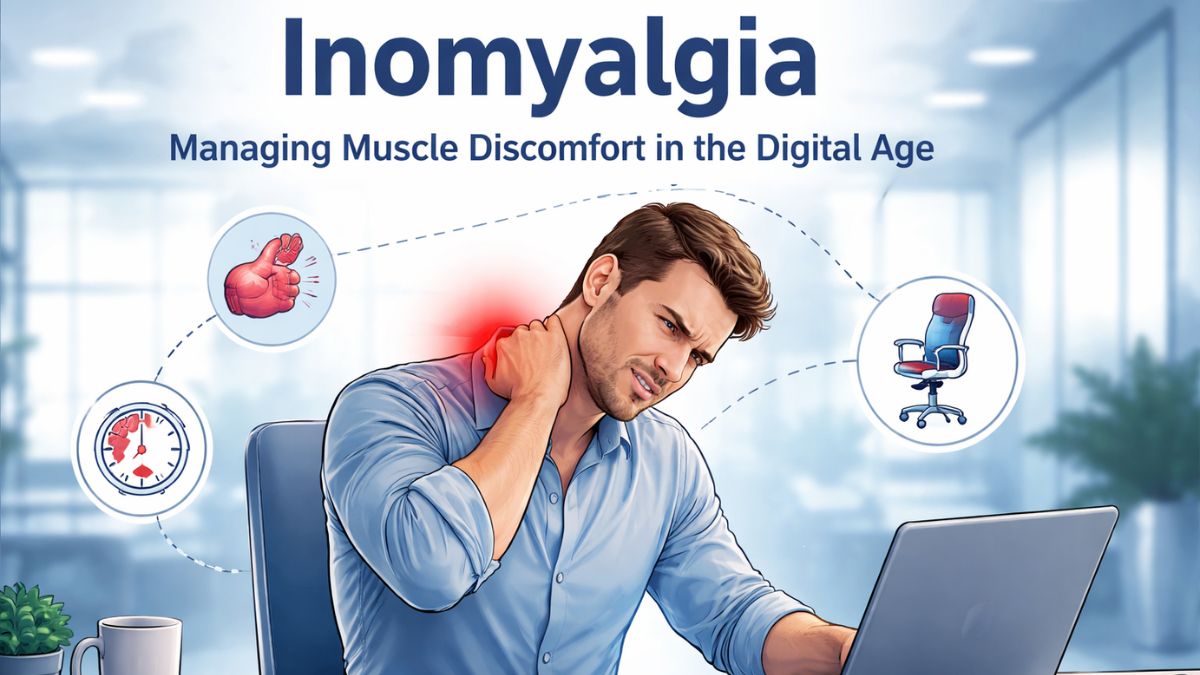
For individuals working in digital environments, these issues are often tied to repetitive strain, poor posture, and prolonged stress.
Why Inomyalgia Is Increasing
The growing prevalence of inomyalgia-like symptoms reflects the realities of modern work culture. Many professionals spend most of their day sitting, focusing intensely, and interacting with screens.
Sedentary Work Habits
Spending 8–12 hours seated restricts blood circulation and builds tension in key areas like the neck, shoulders, and lower back.
Chronic Stress
Deadlines, financial pressure, and high expectations keep the body in a constant state of alertness. This prolonged tension causes muscles to remain tight longer than normal.
Poor Ergonomics
Improper desk setups, unsupportive chairs, and poorly positioned screens gradually strain muscles over time.
Lack of Recovery
Without stretching, exercise, or adequate rest, small muscle strains accumulate and turn into persistent discomfort.
Common Symptoms of Inomyalgia
While symptoms may vary, certain patterns frequently appear:
-
Persistent discomfort in tension-prone areas (neck, shoulders, back)
-
Ongoing fatigue and reduced stamina
-
Sleep disturbances due to muscle tension
-
Decreased flexibility
-
Mild headaches or a general feeling of heaviness
Unlike acute injuries, this discomfort is usually diffuse and long-lasting rather than sharp or sudden.
How It Compares to Similar Conditions
Understanding how inomyalgia differs from other conditions helps clarify its role:
| Condition | Primary Cause | Symptoms | Duration |
|---|---|---|---|
| Inomyalgia | Lifestyle strain, stress, posture | Persistent internal ache, fatigue | Ongoing |
| Myalgia | Infection, injury, inflammation | Muscle soreness and pain | Short–moderate |
| Fibromyalgia | Chronic neurological condition | Widespread pain, fatigue, sleep issues | Long-term |
While not formally classified, inomyalgia serves as a useful framework for describing modern, lifestyle-driven discomfort.
The Hidden Impact on Productivity
Inomyalgia doesn’t just affect the body—it directly impacts performance.
When muscles remain tense, the brain continuously processes discomfort signals. This drains cognitive resources, reducing focus, creativity, and decision-making ability.
Over time, this can contribute to burnout. Physical tension reinforces mental stress, creating a cycle that becomes increasingly difficult to break.
For professionals leading teams or building businesses, ignoring physical health can ultimately limit effectiveness and long-term success.
The Role of Digital Workflows
Modern work habits have fundamentally changed how the body functions throughout the day.
-
Developers often code for hours without movement
-
Designers lean toward screens for prolonged periods
-
Entrepreneurs move from meeting to meeting with little physical activity
This leads to static muscle loading, where muscles remain contracted for long periods without relaxation.
Remote work has intensified the issue. Many people now work from couches or temporary setups that lack ergonomic support, further increasing strain.
Prevention and Management Strategies
The good news is that inomyalgia is often manageable with consistent lifestyle adjustments.
Prioritize Movement
Take short breaks every 30–60 minutes to stand, stretch, or walk. This improves circulation and reduces tension.
Optimize Ergonomics
Invest in a supportive chair, proper desk height, and correct screen positioning.
Exercise Regularly
Incorporate activities like yoga, resistance training, or mobility exercises to strengthen muscles and improve flexibility.
Manage Stress
Practices such as meditation, breathing exercises, or short mental breaks help reduce chronic tension.
Improve Sleep
Quality rest allows muscles to recover and repair from daily strain.
The Importance of Workplace Culture
Inomyalgia also reflects a broader issue in professional environments. Many industries still prioritize long hours and endurance over well-being.
However, forward-thinking organizations are beginning to change this mindset by:
-
Encouraging movement breaks
-
Providing ergonomic assessments
-
Supporting wellness initiatives
For startups especially, healthier teams are more productive, creative, and resilient.
The takeaway is simple: performance and well-being are deeply connected.
When to Seek Medical Help
While lifestyle changes can help, persistent or worsening symptoms should not be ignored.
Consult a healthcare professional if:
-
Pain becomes severe or widespread
-
Symptoms interfere with daily life
-
Discomfort continues despite lifestyle improvements
Early evaluation can rule out underlying conditions and prevent long-term complications.
The Future of Health in a Digital World
The rise of inomyalgia highlights a shift in how we view health in high-performance environments.
Professionals often focus on optimizing tools, systems, and strategies—but the human body remains the most important system of all.
Recognizing early warning signs and prioritizing recovery is not a weakness. It’s a strategic decision that supports sustainable success.
Conclusion
Inomyalgia may not yet be a formally recognized medical condition, but the discomfort it represents is increasingly common in modern work culture.
Long hours, high stress, and sedentary habits have created the perfect conditions for persistent muscle strain.
By understanding its causes and symptoms, professionals can take proactive steps to protect their health. Simple changes—better posture, regular movement, and effective stress management—can make a significant difference.
Ultimately, success is not built on exhaustion. It thrives when the mind and body work together in balance.