

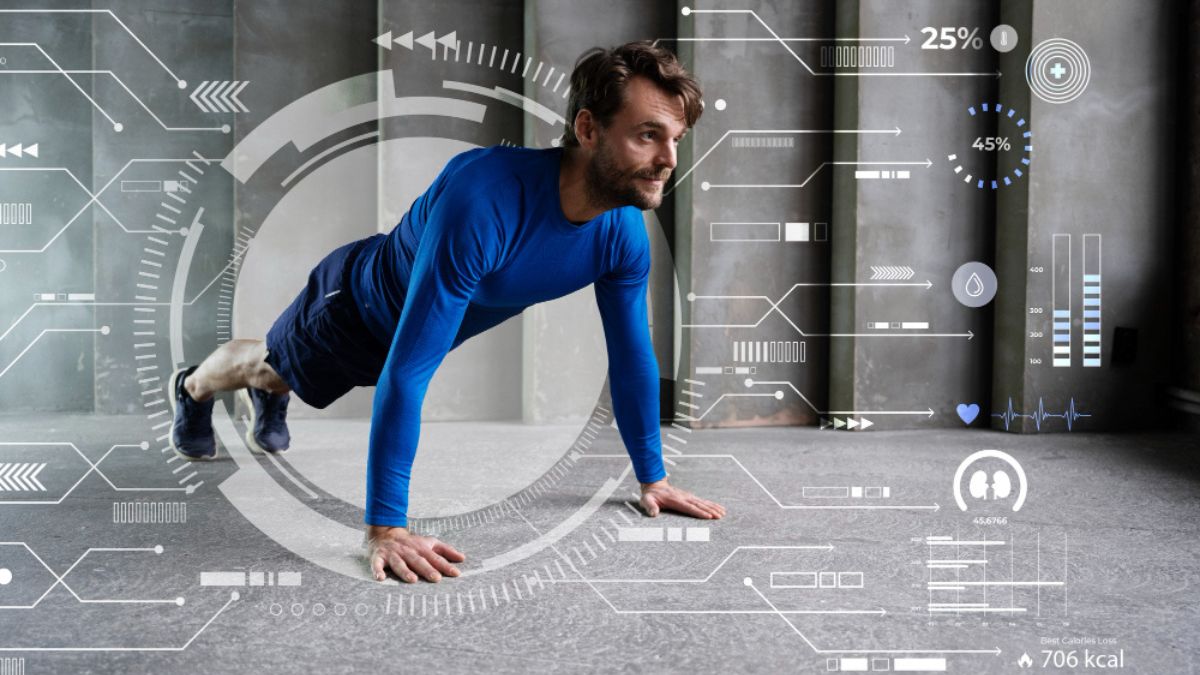
Insetprag, In the relentless pursuit of peak performance, athletes constantly seek new edges—from cutting-edge equipment to novel training methodologies. A new term has begun circulating in elite training circles, on niche fitness forums, and in the marketing of forward-thinking sports brands: Insetprag. More than a simple supplement or a single device, Insetprag represents a holistic, technology-driven philosophy for athletic optimization. It’s a convergence of internal physiology and external pragmatism, promising to bridge the gap between raw potential and realized performance. But is it the future of sports science, or just a cleverly packaged trend? This deep dive separates the science from the speculation.
Defining the Indefinable: What Exactly is Insetprag?
The term itself is a modern portmanteau, blending “Internal Setpoint” with “Pragmatic” action. At its core, Insetprag is the practice of using real-time, personalized biological data to make immediate, practical adjustments to training, nutrition, and recovery. It moves beyond generic, periodized training plans into a dynamic, responsive model where the athlete’s body is the primary coach.
Think of it this way: Traditional training relies on a pre-written script. You follow the plan for Week 5, Day 3, regardless of how you feel. Insetprag training is entirely improvisational theater. Your body’s live data streams—heart rate variability (HRV), core temperature, blood oxygen, hormonal biomarkers, neural fatigue—are the cues, and you adjust your intensity, volume, and focus in real-time as you receive them.
The Insetprag athlete doesn’t just train hard; they train precisely. The goal is to operate always within the optimal “performance corridor,” avoiding both the wasted effort of under-training and the destructive fatigue of overreaching.
The Four Pillars of the Insetprag Framework
The Insetprag methodology rests on four interconnected pillars, each enabled by advancements in wearable technology and data analytics.
1. Biomarker Monitoring & Interpretation
This is the foundational pillar. Insetprag relies on moving from occasional lab tests to continuous, non-invasive monitoring.
-
Key Metrics: Heart Rate Variability (HRV) is the king metric, serving as a direct window into autonomic nervous system balance and recovery status. It’s supplemented by resting heart rate, nocturnal core temperature (via wearable patches like the Oura Ring or Whoop), and even sweat-based biomarkers using emerging wearable biosensors.
-
The Pragmatic Application: An athlete doesn’t just note a “low HRV” score. The Insetprag protocol provides an actionable decision tree: If HRV is down >10% from baseline and sleep was poor, the morning session becomes a Zone 1 (very light) active recovery session instead of a high-intensity interval workout. The data dictates the day’s script.
2. Adaptive Nutrition & Hydration
Gone are the rigid meal plans of 400g carbs daily. Insetprag nutrition is fluid and responsive.
-
Technology Enablers: Continuous glucose monitors (CGMs), once exclusive to diabetics, are now used by athletes to see their unique glycemic response to different foods and training states. Hydration sensors (e.g., in smart water bottles or patches) monitor electrolyte loss in real-time.
-
The Pragmatic Application: A CGM reading shows a stable glucose trend during a long training session; the athlete can delay their next gel by 15 minutes, avoiding unnecessary intake. Post-workout, specific micronutrient and protein needs are calculated based on the session’s biometric strain (tracked by devices like Supersapiens or Levels), not a one-size-fits-all shake.
3. Neuromuscular & Technique Optimization
This pillar focuses on the quality of movement, not just the quantity of work.
-
Technology Enablers: Wearable electromyography (EMG) sensors (e.g., Athos smart apparel), force plate analysis in smart gyms (VALD Performance), and high-speed video with AI-powered form analysis (Dartfish).
-
The Pragmatic Application: During a strength session, EMG sensors show left glute activation is 20% lower than the right. The Insetprag adjustment is immediate: the athlete performs targeted activation exercises before continuing the main lift, ensuring symmetrical strength development and injury prevention. A runner’s force plate data shows excessive braking force; their next drill session focuses on cadence and lean.
4. Cognitive & Psychological Readiness
Insetprag acknowledges that the mind is the ultimate performance limiter.
-
Technology Enablers: EEG headbands (Muse, NeuroTracker) to measure focus and cognitive load, paired with app-based psychological questionnaires and reaction-time games.
-
The Pragmatic Application: A pre-training cognitive test shows high mental fatigue. The athlete might swap a technically complex skill session for a simple, repetitive endurance session to avoid injury and frustration. They might initiate a 10-minute guided neural recovery protocol (breathing, meditation) before competing to optimize brainwave states for focus.
The Insetprag in Action: A Day in the Life
To see how these pillars integrate, let’s follow “Alex,” a hypothetical professional triathlete.
-
5:30 AM: Alex wakes up, and the Oura Ring syncs data. Sleep score: 72. HRV: Down 12% from baseline. Pragmatic Decision: Today’s planned high-intensity bike intervals are scrapped. The app prescribes “Low-Strain Day.”
-
7:00 AM: Pre-breakfast, Alex uses a home blood prick test (like WellnessFX) to check morning cortisol and testosterone as part of a weekly protocol. Levels are normal, confirming the need for recovery, not stress.
-
9:00 AM: Instead of intervals, Alex does a Zone 1 swim. A FORM smart swim goggles displays pace and efficiency metrics live, ensuring the session stays truly aerobic.
-
12:00 PM: Lunch. Alex scans the meal with a CGM app, noting the predicted glucose response. The app suggests adding a handful of leafy greens to flatten the curve.
-
3:00 PM: Physical therapy session. Using Force Plate jumps, the therapist identifies a minor power asymmetry from yesterday’s run. The afternoon’s easy run is replaced with specific plyometrics and mobility work to re-balance.
-
8:00 PM: A 10-minute session with the Muse headband guides Alex into a state of deep relaxation, aiming to boost parasympathetic (rest-and-digest) activity overnight.
Every decision is data-informed, practical, and individualized.
The Criticisms and Caveats: Is Insetprag for Everyone?
The Insetprag approach is not without its detractors and significant barriers.
-
The Paralysis by Analysis: The greatest risk is that an athlete becomes a slave to the data, ignoring intuitive feel—the “art” of coaching. Over-monitoring can increase anxiety, creating a negative feedback loop where worrying about HRV further lowers HRV.
-
The Cost Barrier: The ecosystem of devices, apps, and testing is prohibitively expensive. A full Insetprag setup can cost thousands annually, making it a tool primarily for pros or wealthy amateurs, raising concerns about equity in sport.
-
The Data Overload & Interpretation Problem: More data is not inherently better without expert interpretation. Without a skilled coach or sports scientist to provide context, athletes can easily misinterpret signals and make poor decisions.
-
The Lack of Long-Term Studies: While individual technologies have research, the holistic, 24/7 application of Insetprag is new. Its long-term impact on athlete development, burnout, and longevity is unknown.
The Verdict: A Powerful Tool, Not a Magic Bullet
Insetprag is not a passing fad; it is the logical endpoint of the quantified-self movement meeting elite sports. Its principles—listening to precise biological signals and responding pragmatically—are undeniably sound.
For the elite professional athlete, for whom a 1% margin is worth millions, Insetprag is becoming the new standard. It offers a defensible, optimized path to squeeze out every ounce of performance while meticulously managing injury risk.
For the dedicated amateur, a lite-version of Insetprag is accessible and beneficial. This might mean using a single recovery tracker (like Whoop) to guide weekly training intensity, or occasionally using a CGM to learn personal nutritional responses, without attempting to live-tune every moment.
For the casual enthusiast, the core philosophy is the main takeaway: be more attuned to your body’s signals. Do you need more water? More sleep? A day off? That basic pragmatic response to internal cues is the heart of Insetprag, stripped of its high-tech armor.
The Future of Insetprag
The trajectory points toward greater integration and predictive power. We will see:
-
AI Coaches: Algorithms that synthesize all data streams (biometric, video, performance) to provide not just data, but direct, conversational coaching advice.
-
Closed-Loop Systems: Imagine a hydration pack that auto-dispenses a custom electrolyte mix based on your live sweat loss, or a smart treadmill that automatically adjusts incline and speed to keep your heart rate in the exact optimal zone for your current recovery state.
-
Preventive Health Focus: The same data used for performance will increasingly flag early signs of overtraining, immune suppression, or metabolic issues, making the athlete’s health the primary KPI (Key Performance Indicator).
In conclusion, Insetprag represents a fundamental shift from prescriptive to responsive athletic development. It empowers the athlete with unprecedented self-knowledge. However, its true success lies not in worshiping the data, but in using it as a sophisticated tool to enhance the ancient, intuitive conversation between mind and body. The champions of the future won’t just be those who train the hardest, but those who, through pragmatic insight, train the smartest.