
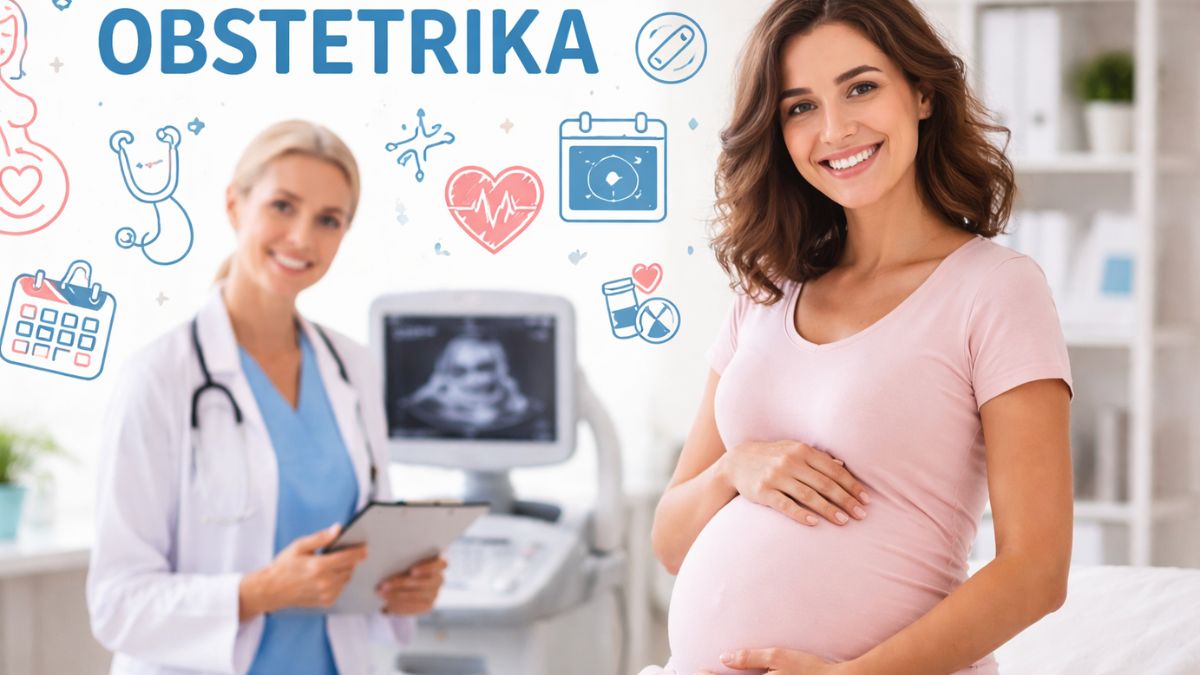
In today’s rapidly advancing medical world, the field of obstetrics—often referred to here as obstetrika—plays a vital role in ensuring safe pregnancies, healthy deliveries, and the well-being of both mother and child. Obstetrika is more than just medical care during pregnancy; it represents a holistic approach that integrates physical health, emotional well-being, preventive medicine, and technological innovation.
From the moment of conception to postpartum recovery, obstetrika encompasses a wide range of practices aimed at supporting women through one of the most transformative journeys of their lives. In this comprehensive blog post, we will explore the foundations of obstetrika, its importance, stages of care, modern advancements, common challenges, and future directions.
What is Obstetrika?
Obstetrika refers to the branch of healthcare that focuses on pregnancy, childbirth, and the postpartum period. It includes medical supervision, diagnostic procedures, preventive strategies, and emergency interventions when necessary.
Unlike general healthcare, obstetrika is highly specialized because it deals with two lives simultaneously—the mother and the developing fetus. The goal is to ensure optimal outcomes for both through careful monitoring and timely intervention.
The Importance of Obstetrika in Modern Healthcare
1. Reducing Maternal Mortality
One of the most significant contributions of obstetrika is the reduction of maternal deaths. With proper prenatal care, complications such as preeclampsia, hemorrhage, and infections can be identified early and managed effectively.
2. Improving Infant Health
Healthy pregnancies lead to healthier babies. Obstetrika ensures proper fetal development, reduces the risk of premature birth, and addresses congenital abnormalities early.
3. Promoting Preventive Care
Preventive care is at the heart of obstetrika. Regular check-ups, screenings, and lifestyle guidance help avoid complications before they arise.
4. Emotional and Psychological Support
Pregnancy is not just a physical experience—it is emotional and psychological as well. Obstetrika emphasizes mental health support, helping mothers cope with anxiety, stress, and postpartum depression.
Stages of Obstetrika Care
1. Preconception Care
Obstetrika begins even before pregnancy. Preconception care involves:
-
Health assessments
-
Nutritional guidance
-
Managing chronic conditions
-
Genetic counseling
This stage prepares the body for a healthy pregnancy and reduces risks.
2. Prenatal Care
Prenatal care is the cornerstone of obstetrika. It involves regular monitoring throughout pregnancy.
First Trimester (0–12 weeks)
-
Confirmation of pregnancy
-
Initial blood tests
-
Ultrasound scans
-
Screening for genetic conditions
Second Trimester (13–26 weeks)
-
Growth monitoring
-
Anatomy scans
-
Screening for gestational diabetes
-
Nutritional adjustments
Third Trimester (27–40 weeks)
-
Monitoring fetal position
-
Preparing for delivery
-
Identifying late-stage complications
3. Labor and Delivery
This is the most critical phase in obstetrika.
Types of Delivery:
-
Vaginal delivery
-
Assisted delivery (forceps or vacuum)
-
Cesarean section (C-section)
The choice depends on the health of the mother and baby.
4. Postpartum Care
Postpartum care is often overlooked but equally important.
-
Monitoring recovery
-
Supporting breastfeeding
-
Managing emotional health
-
Preventing infections
Key Components of Obstetrika
1. Nutrition
Proper nutrition is essential for both mother and fetus.
Key nutrients include:
-
Folic acid
-
Iron
-
Calcium
-
Protein
-
Omega-3 fatty acids
A balanced diet reduces complications such as anemia and low birth weight.
2. Physical Activity
Moderate exercise during pregnancy:
-
Improves circulation
-
Reduces stress
-
Helps manage weight
-
Prepares the body for labor
Activities like walking, prenatal yoga, and stretching are commonly recommended.
3. Medical Monitoring
Regular check-ups help track:
-
Blood pressure
-
Blood sugar levels
-
Fetal growth
-
Heart rate
This ensures early detection of any abnormalities.
4. Mental Health Support
Pregnancy can bring emotional challenges such as:
-
Anxiety
-
Mood swings
-
Depression
Counseling and support systems are essential components of obstetrika.
Common Complications in Obstetrika
1. Gestational Diabetes
A condition where blood sugar levels rise during pregnancy. It requires careful dietary management and monitoring.
2. Preeclampsia
Characterized by high blood pressure and organ damage, this condition can be life-threatening if untreated.
3. Preterm Labor
Labor that begins before 37 weeks can lead to premature birth, requiring specialized care.
4. Placental Issues
Conditions like placenta previa or placental abruption can affect oxygen supply to the baby.
5. Infections
Infections during pregnancy can harm both mother and baby, making hygiene and medical care critical.
Technological Advancements in Obstetrika
Modern obstetrika has been revolutionized by technology.
1. Ultrasound Imaging
Allows real-time visualization of the fetus, helping monitor growth and detect abnormalities.
2. Fetal Monitoring Systems
Track the baby’s heart rate and movements during pregnancy and labor.
3. Genetic Testing
Advanced screening techniques help detect genetic disorders early.
4. Telemedicine
Remote consultations make obstetrika care accessible, especially in rural areas.
The Role of Healthcare Professionals
Obstetrika involves a team of specialists:
-
Obstetricians
-
Gynecologists
-
Midwives
-
Nurses
-
Pediatricians
Each plays a crucial role in ensuring comprehensive care.
Lifestyle Tips for a Healthy Pregnancy
1. Eat Balanced Meals
Focus on whole foods, fruits, vegetables, and lean proteins.
2. Stay Hydrated
Drink plenty of water to support bodily functions.
3. Avoid Harmful Substances
Avoid alcohol, smoking, and unnecessary medications.
4. Get Enough Rest
Sleep is essential for recovery and fetal development.
5. Manage Stress
Practice relaxation techniques like meditation and deep breathing.
Cultural and Social Aspects of Obstetrika
In many cultures, pregnancy is surrounded by traditions and beliefs. While some practices are beneficial, others may lack scientific support.
Obstetrika bridges this gap by combining traditional care with modern medical knowledge.
Challenges in Obstetrika
1. Limited Access to Healthcare
In many regions, especially rural areas, access to obstetrika services is limited.
2. Lack of Awareness
Many women are unaware of the importance of prenatal care.
3. Financial Constraints
Healthcare costs can be a barrier to receiving proper care.
4. Workforce Shortage
There is a global shortage of trained obstetric professionals.
The Future of Obstetrika
The future of obstetrika is promising, with innovations aimed at improving outcomes.
1. AI and Predictive Analytics
Artificial intelligence can predict complications before they occur.
2. Personalized Medicine
Tailored care plans based on individual health profiles.
3. Wearable Technology
Devices that monitor vital signs in real time.
4. Improved Global Access
Efforts are underway to make obstetrika care accessible worldwide.
Obstetrika and Maternal Empowerment
Modern obstetrika emphasizes empowering women by:
-
Educating them about their bodies
-
Involving them in decision-making
-
Respecting their choices during childbirth
This approach leads to better health outcomes and a more positive pregnancy experience.
Postpartum Health and Recovery
Physical Recovery
-
Healing after delivery
-
Managing pain
-
Restoring strength
Emotional Well-being
-
Addressing postpartum depression
-
Building support systems
Infant Care
-
Breastfeeding guidance
-
Newborn health monitoring
The Role of Family and Community
Support from family and community plays a vital role in obstetrika.
-
Emotional encouragement
-
Assistance with daily tasks
-
Promoting healthy practices
A strong support system can significantly improve outcomes.
Preventive Strategies in Obstetrika
Prevention is better than cure, especially in pregnancy care.
Regular Check-ups
Ensure early detection of complications.
Vaccinations
Protect both mother and baby from infections.
Education
Awareness about pregnancy health is crucial.
Ethical Considerations in Obstetrika
Ethical issues include:
-
Informed consent
-
Patient autonomy
-
Privacy and confidentiality
Healthcare providers must balance medical expertise with respect for patient choices.
Conclusion
Obstetrika is a cornerstone of modern healthcare, ensuring the safety and well-being of mothers and their babies. It combines science, compassion, and innovation to support one of life’s most important journeys.
From preconception planning to postpartum recovery, obstetrika provides comprehensive care that addresses physical, emotional, and social aspects of pregnancy. While challenges remain, advancements in technology and increased awareness continue to improve outcomes worldwide.
By prioritizing education, accessibility, and personalized care, obstetrika will continue to evolve, offering safer and healthier experiences for future generations.
Final Thoughts
Pregnancy is a unique and life-changing experience, and obstetrika ensures that this journey is as safe and fulfilling as possible. Whether through medical advancements, supportive care, or community involvement, the goal remains the same: healthy mothers and healthy babies.
Understanding obstetrika empowers individuals to make informed decisions, seek timely care, and embrace pregnancy with confidence and peace of mind.