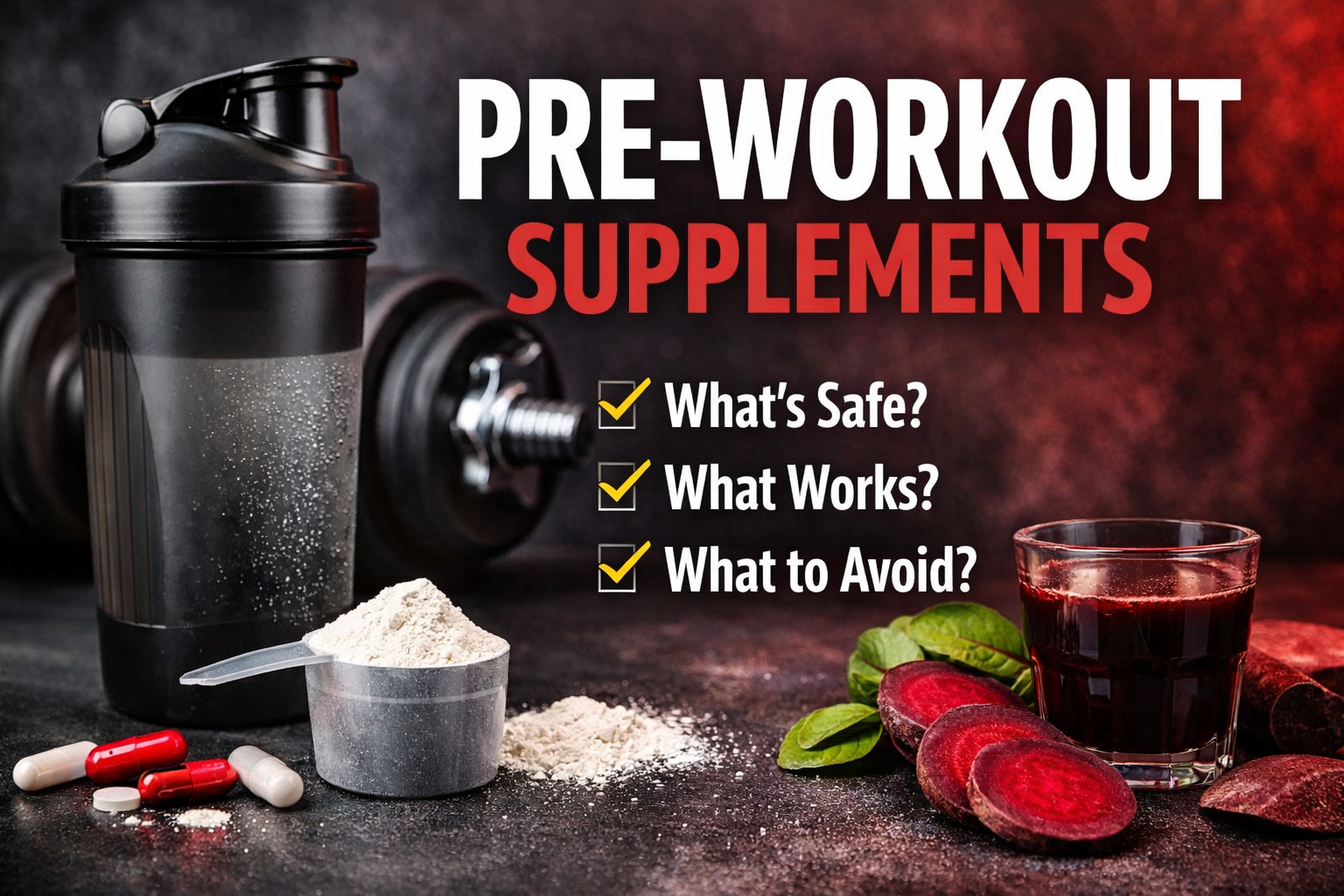
PreWorkout Supplements, When Andrew R. Jagim, Ph.D., was a college athlete competing in recreational sports, he kept asking himself the same question many fitness enthusiasts wonder about: Can certain foods or supplements really improve performance?
That curiosity pushed him into the world of sports nutrition research during graduate school—and it never faded. Today, Dr. Jagim is the director of sports medicine research at Mayo Clinic Health System and has authored multiple scientific studies on pre-workout supplements.
His research offers valuable insights into which supplements are worth your money—and which ones could be risky.
What Exactly Is a PreWorkout Supplement?
In the early 2000s, there wasn’t a clear definition of what counted as a preworkout supplement. To clarify things, Dr. Jagim analyzed the labels of the top 100 products on the market and identified common patterns.
From that research, multi-ingredient pre-workout supplements (MIPS) were defined as products that:
-
Are marketed to enhance workout performance
-
Are taken 30 to 60 minutes before exercise
-
Contain at least three combined ingredients
Common Ingredients Found in PreWorkout Supplements
If you check a typical preworkout label, you’ll find a long list of ingredients—things like L-citrulline, taurine, choline, vitamin B12, apple extract, quercetin, and more.
But a handful of ingredients stand out because they are heavily researched and proven to work. Let’s break down the most effective ones.
Caffeine
Caffeine has been used by athletes for over a century. Early research showed it could improve muscle contractions and endurance, and modern studies confirm it boosts:
-
Strength and endurance
-
Sprint performance
-
Jump height
-
Reaction time and focus
-
Energy and fatigue resistance
How to use caffeine effectively:
-
Take 3–6 mg per kg of body weight about 30–60 minutes before exercise
-
For a 68-kg (150-lb) person, that equals roughly 200–400 mg
-
Effects typically last 3–4 hours
-
Coffee or supplements both work—choose what you tolerate best
Be careful: Too much caffeine can cause anxiety, heart palpitations, headaches, and poor sleep. Start with a low dose and avoid caffeine late in the day.
Creatine Monohydrate
Creatine gained worldwide attention after elite athletes credited it for Olympic success in the 1990s. Since then, thousands of studies have confirmed its benefits.
Creatine helps muscles produce energy, improving:
-
Strength and power
-
High-intensity exercise performance
-
Recovery time
-
Brain health and cellular function
How to take creatine:
-
Use creatine monohydrate (the most studied and affordable form)
-
Take 3 grams daily, any time of day
-
Mix it with water, smoothies, oatmeal, or yogurt
Beta-Alanine
Beta-alanine combines with histidine to form carnosine, a compound that reduces muscle acidity during intense exercise. This helps delay the burning sensation and fatigue.
It’s especially helpful for:
-
Sprinting
-
Interval training
-
Soccer, basketball, or HIIT workouts
How to use beta-alanine:
-
Take 4–6 grams daily for at least 4 weeks
-
You can take it any time, not just before workouts
-
Some people feel tingling or “pins and needles”—split doses if needed
Nitrates (Often from Beetroot)
Nitrates from leafy greens and root vegetables convert to nitric oxide in the body, which widens blood vessels and improves blood flow.
Benefits include:
-
Lower blood pressure
-
Better nutrient delivery to muscles
-
Reduced fatigue during exercise
How to use nitrates:
-
Consume 2–3 hours before exercise
-
Look for beetroot powder or juice with around 400 mg nitrate per serving
-
Check labels carefully, as nitrate content varies widely
Are Pre-Workout Supplements Safe?
Pre-workout formulas often contain around 18 different ingredients, and not all of them are harmless.
1. Always Check the Ingredient List
Some pre-workouts contain illegal or risky substances like:
-
Anabolic steroid derivatives
-
Amphetamine-like stimulants such as DMAA
These compounds can constrict blood vessels and increase the risk of heart problems. They can also cause athletes to fail drug tests—even in tiny amounts.
2. Watch the Dosages
Many supplements include ineffective doses of beneficial ingredients. For example:
-
Creatine is often under-dosed (1–2 g instead of the recommended 3 g)
-
Beta-alanine is frequently included at half the effective dose
At the same time, stimulants may be overdosed, especially in proprietary blends that hide exact quantities.
3. More Is NOT Better
Some users double or triple servings, thinking it will boost performance. Research shows this can lead to side effects such as:
-
Heart irregularities
-
Nausea
-
Skin reactions
-
Anxiety and jitters
So, What Are the Best PreWorkout Options?
You have two smart choices.
Option 1: Choose a High-Quality Commercial Product
If you buy a pre-workout, look for third-party testing certifications, such as:
-
NSF Certified for Sport
-
Informed Sport
-
BSCG
These organizations verify that supplements are free from banned substances and contaminants.
Option 2: Make Your Own Pre-Workout Stack
Dr. Jagim personally prefers a DIY approach. Here’s what he uses:
-
Creatine: 3 g daily (any time)
-
Nitrates: Beetroot juice or nitrate-rich meal 2–3 hours before training
-
Caffeine: Around 200 mg about 1 hour before exercise
-
Beta-alanine: 4 g mixed in water
This method ensures proper dosages without unnecessary additives.
Test New Supplements Before Important Workouts
Everyone reacts differently to supplements. Trying something new on competition day can backfire.
Dr. Jagim advises experimenting during training sessions instead of game day. Caffeine, for example, may cause jitters or stomach issues if you’re not used to it.
Final Thoughts
Pre-workout supplements can enhance performance—but only if you choose the right ingredients, use proper dosages, and avoid dangerous additives.
Caffeine, creatine, beta-alanine, and nitrates have strong scientific backing. But flashy blends with hidden stimulants and under-dosed ingredients can do more harm than good.
When in doubt, keep it simple, read labels carefully, and consider building your own pre-workout routine.