
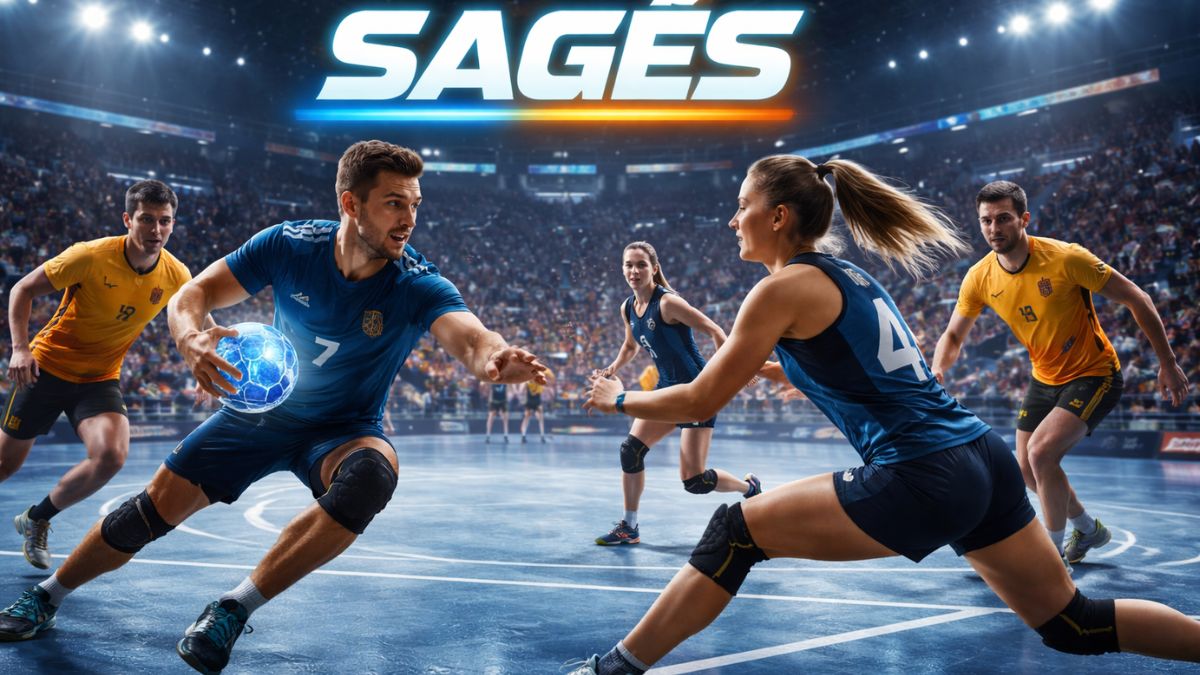
In the constantly evolving world of sports, new games, training philosophies, and competitive formats emerge every year. Some fade quickly, while others capture the imagination of athletes and fans across the globe. One of the most intriguing modern developments in the sports landscape is Sagės — a rapidly growing sport that blends agility, strategy, endurance, and teamwork into a thrilling competitive experience.
Although still unfamiliar to many audiences, Sagės is steadily gaining attention among sports enthusiasts, coaches, and professional athletes. Its unique gameplay structure, dynamic pacing, and inclusive nature make it an exciting addition to the global sporting ecosystem.
This in-depth guide explores what Sagės is, how it originated, how it is played, why it is gaining popularity, and what its future might look like in the global sports arena.
What Is Sagės?
Sagės is a fast-paced team sport that combines elements of strategy, speed, precision, and coordination. Played on a rectangular field or arena, the objective revolves around controlling a central object and maneuvering it strategically through zones while defending against opposing players.
The sport emphasizes quick decision-making, teamwork, and athletic versatility. Players must shift rapidly between offensive and defensive roles, often within seconds.
Unlike many traditional sports that rely heavily on either strength or speed, Sagės demands a balanced mix of:
-
Tactical thinking
-
Spatial awareness
-
Explosive movement
-
Team communication
-
Precision passing and positioning
Because of this balanced skill requirement, Sagės attracts athletes from many sporting backgrounds including soccer, basketball, handball, and rugby.
The Origins of Sagės
The roots of Sagės are relatively modern compared with centuries-old sports. While its exact birthplace is debated, most historians trace its development to experimental athletic training programs in Europe during the early 2000s.
Coaches were searching for ways to create multidimensional training environments that improved athletes’ reaction times, situational awareness, and teamwork.
From these training drills emerged a structured game that eventually became Sagės.
Early adopters began organizing friendly matches and regional tournaments. As word spread, the sport attracted universities, athletic academies, and amateur leagues interested in its unique format.
Within a decade, Sagės had transformed from an experimental training activity into a standalone competitive sport.
How Sagės Is Played
One of the most fascinating aspects of Sagės is its dynamic gameplay structure. While rules may vary slightly between leagues, the core format remains consistent.
Team Composition
A standard Sagės match features:
-
Two teams
-
Five to seven players per team
-
Additional substitutes
Teams must coordinate movement constantly, creating fluid formations that adapt to offensive and defensive situations.
The Playing Field
Sagės is typically played on a rectangular arena divided into several strategic zones.
Key areas include:
-
Central control zone
-
Offensive scoring zone
-
Defensive zone
-
Transition lanes
These zones create a structured battlefield where positioning and timing determine success.
The Central Object
At the heart of Sagės gameplay is a lightweight spherical object, sometimes referred to as the “core.”
Players pass, carry, or redirect the core across zones in order to score points.
However, possession can change rapidly due to interceptions, defensive pressure, or strategic traps set by the opposing team.
Match Duration
Most matches consist of:
-
Three periods
-
12–15 minutes each
Short breaks allow teams to regroup and adjust tactics.
Because of the intense pace, players must maintain high endurance and mental focus throughout the match.
Key Skills Required in Sagės
Sagės is unique because it requires athletes to develop multiple skill sets simultaneously.
Agility
Players constantly pivot, sprint, and change direction. Quick footwork is essential for both offense and defense.
Strategic Awareness
Reading the field is crucial. Successful teams anticipate movements several seconds ahead.
Precision Passing
Accurate passing keeps the core moving efficiently and prevents turnovers.
Communication
Like many team sports, verbal and nonverbal communication plays a major role in coordinated plays.
Stamina
Because Sagės involves constant motion, players must sustain high energy levels for extended periods.
Offensive Strategies in Sagės
Teams must use intelligent tactics to penetrate defensive formations.
Some common offensive strategies include:
Zone Penetration
Players spread out to stretch defensive coverage, creating gaps that allow quick advances into scoring zones.
Rapid Transition
After gaining possession, teams often launch fast counterattacks before the opposing defense can reorganize.
Decoy Movement
One or two players may intentionally draw defenders away from the main play, creating open pathways.
Rotational Passing
Constant movement and passing cycles prevent defenses from predicting the next action.
Defensive Strategies
Defense in Sagės requires coordination and awareness.
Press Defense
Defenders apply pressure immediately after losing possession to force mistakes.
Zone Coverage
Instead of marking individual players, teams guard strategic areas of the field.
Interception Lines
Defenders position themselves along likely passing paths to intercept the core.
Counter-Formation
When under heavy attack, teams shift into compact formations to protect scoring zones.
Training for Sagės
Because Sagės blends elements from several sports, training programs tend to be diverse and high-intensity.
Speed Drills
Sprint intervals and agility ladders help players develop explosive movement.
Reaction Training
Athletes practice quick responses to unpredictable scenarios.
Tactical Simulations
Coaches recreate game situations to improve decision-making under pressure.
Endurance Conditioning
Cardiovascular training ensures players maintain performance throughout matches.
Why Sagės Is Gaining Popularity
Several factors explain why Sagės is rapidly expanding worldwide.
1. Fast-Paced Entertainment
Modern sports fans love high-energy games that deliver constant excitement.
Sagės matches rarely slow down, keeping spectators engaged.
2. Accessibility
The sport requires minimal equipment and can be played on various surfaces, including:
-
Indoor arenas
-
Outdoor courts
-
Multi-purpose sports fields
This flexibility allows communities to adopt the sport easily.
3. Inclusive Participation
Sagės leagues often promote mixed-gender participation, emphasizing skill and teamwork rather than physical dominance.
This inclusivity makes the sport attractive to a wider audience.
4. Cross-Sport Appeal
Athletes from other sports transition easily into Sagės because it incorporates familiar skills from soccer, basketball, and handball.
Sagės in Schools and Universities
Educational institutions are beginning to embrace Sagės as a developmental sport for young athletes.
Benefits include:
-
Improving teamwork skills
-
Enhancing coordination
-
Encouraging strategic thinking
-
Promoting physical fitness
Because the game involves constant movement and decision-making, it supports both physical and cognitive development.
Professional Sagės Leagues
Although still emerging, professional Sagės leagues are beginning to form.
Regional tournaments have appeared in parts of Europe and Asia, with organized competitions featuring:
-
Club teams
-
National tournaments
-
Invitational championships
These leagues are helping standardize rules and expand the sport’s global footprint.
Technology in Sagės
Like many modern sports, Sagės is increasingly integrating technology.
Performance Tracking
Wearable devices track:
-
Player speed
-
Heart rate
-
Distance covered
This data helps coaches refine training strategies.
Video Analysis
Teams review match footage to analyze:
-
Positioning errors
-
Passing efficiency
-
Defensive breakdowns
This analytical approach accelerates skill development.
Broadcast Innovation
As Sagės grows, broadcasters are experimenting with new viewing formats such as:
-
Interactive statistics overlays
-
Multi-angle replays
-
Virtual strategy maps
These tools enhance fan engagement.
Health and Fitness Benefits
Playing Sagės offers significant physical and mental benefits.
Cardiovascular Health
Constant movement improves heart and lung function.
Muscle Strength
Frequent sprinting and directional changes strengthen legs and core muscles.
Mental Sharpness
Strategic gameplay encourages quick thinking and focus.
Stress Reduction
Like many sports, Sagės provides a healthy outlet for stress and promotes overall well-being.
Challenges Facing Sagės
Despite its exciting potential, Sagės faces several obstacles.
Limited Awareness
Many people still have never heard of the sport.
Greater media coverage is needed to expand its audience.
Lack of Standardization
Different leagues sometimes use slightly different rules.
A unified governing body would help create consistency.
Infrastructure Development
Professional leagues require dedicated venues, sponsorships, and training systems.
Developing this infrastructure takes time and investment.
The Role of Social Media in Sagės Growth
Social media platforms are playing a major role in introducing Sagės to new audiences.
Short highlight clips, skill demonstrations, and match highlights often go viral, showcasing the sport’s exciting gameplay.
Athletes also use platforms like:
-
Instagram
-
YouTube
-
TikTok
to share training routines and behind-the-scenes content.
These digital channels help build global communities of Sagės enthusiasts.
International Expansion
Interest in Sagės is spreading beyond its early European roots.
Countries in Asia, North America, and South America are beginning to host amateur leagues and demonstration matches.
International tournaments are also under discussion, which could pave the way for global championships.
Could Sagės Become an Olympic Sport?
Many sports dream of Olympic recognition, and Sagės may eventually follow that path.
To reach that stage, the sport must achieve several milestones:
-
Establish an international governing federation
-
Standardize official rules
-
Build global participation across multiple continents
-
Host world championships
While this process takes years, the growing popularity of Sagės suggests that Olympic inclusion could be possible in the future.
The Future of Sagės
The future looks promising for Sagės as it continues expanding its fan base and competitive infrastructure.
Several developments could accelerate its growth:
-
International leagues
-
Youth development programs
-
Global tournaments
-
Professional sponsorship deals
As more athletes and fans discover the sport, Sagės may evolve into one of the most exciting modern team sports.
Final Thoughts
Sagės represents the next generation of dynamic team sports. By combining speed, strategy, teamwork, and adaptability, it offers a fresh alternative to traditional games while maintaining the competitive spirit that defines athletics.
Its accessibility, inclusiveness, and thrilling gameplay make it especially appealing to modern audiences seeking new sports experiences.
While still in its early stages of global development, Sagės has the potential to grow into a widely recognized sport enjoyed by millions around the world.
For athletes looking for a new challenge, coaches seeking innovative training methods, or fans searching for a fast-paced competition to follow, Sagės may very well be the next big thing in sports.