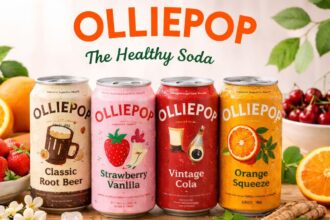
OLIPOP is a modern soda designed to give people the refreshing taste of classic soft drinks while offering benefits for digestive health. Unlike traditional sodas that are often packed with large amounts of sugar, OLIPOP is formulated with plant-based fiber and prebiotics that help nourish the gut microbiome.
Each can typically contains 6–9 grams of fiber and only 2–5 grams of sugar, making it a lighter and more functional alternative to conventional soda. The brand offers a variety of nostalgic soda-inspired flavors, allowing people to enjoy familiar tastes while supporting their gut health.
But one question many people ask when they first see the drink is simple: where did the name OLIPOP come from?
The Story Behind the Name, OLIPOP
The name OLIPOP reflects the brand’s mission to combine science and enjoyment in one beverage.
On one side, the drink is based on research into the human gut microbiome and digestive health. On the other side, it aims to deliver a fun and flavorful soda that people actually enjoy drinking.
The idea for the name came from a brainstorming session between the company’s founders, Ben Goodwin and David Lester.
While discussing potential names for their new prebiotic soda, they wanted something that communicated two things at once:
-
The drink had a scientific and health-focused foundation
-
It still felt like a classic soda experience
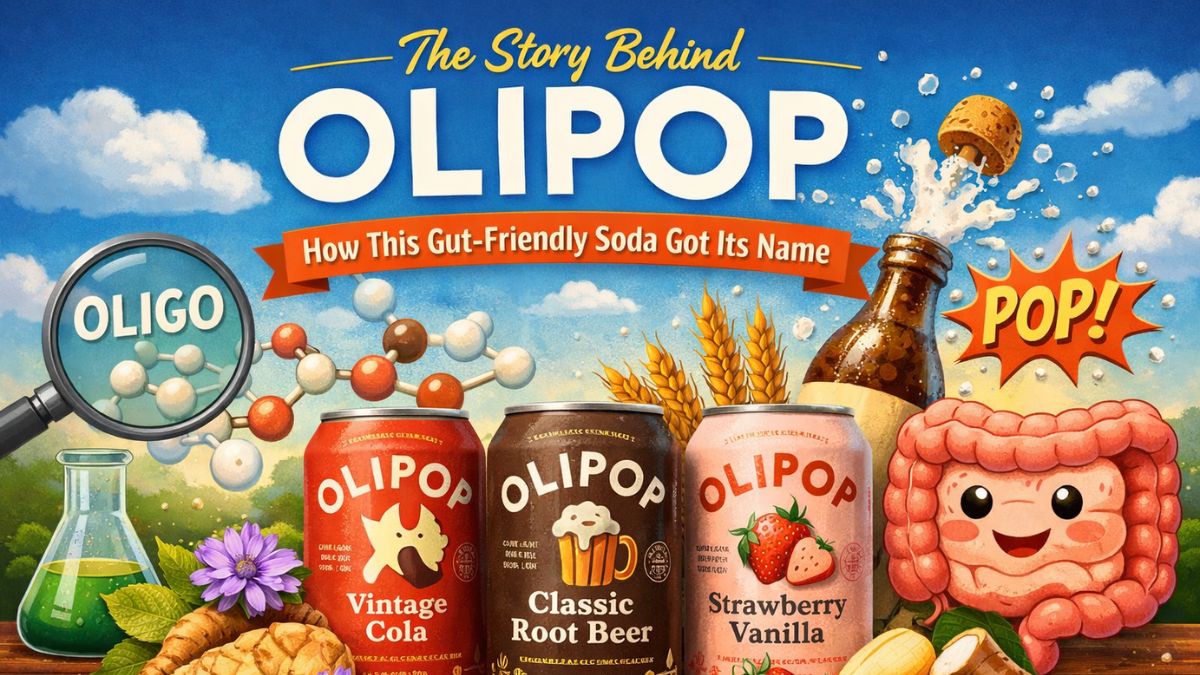
During the conversation, David remembered how Ben frequently talked about oligosaccharides, a type of prebiotic fiber that supports beneficial gut bacteria. That sparked an idea: combine the word oligosaccharide with “pop,” the classic nickname for soda.
And that’s how the name OLIPOP was born.
Essentially, the name represents a soda (pop) inspired by oligosaccharides (“oli”), one of the key ingredients linked to gut health.
Why Soda Is Sometimes Called “Pop”
The second half of the name has an interesting historical background.
The term “pop” became associated with soda in the early 19th century. Back then, carbonated drinks were sealed in bottles using corks. When the cork was removed, it produced a distinct popping sound.
Over time, that sound inspired the nickname “soda pop,” which is still used in many parts of the world today.
By incorporating the word “pop,” OLIPOP connects its modern, science-based formula with the long history of traditional soda.
Why Oligosaccharides Matter
Naming a beverage after a type of fiber might seem unusual, but it reflects the core idea behind the drink: supporting digestive health in an enjoyable way.
Oligosaccharides are a type of carbohydrate made up of short chains of sugar molecules. The word itself comes from two parts:
-
“Oligo” meaning “few”
-
“Saccharide” meaning “sugar molecule”
Together, they describe carbohydrates composed of two to ten sugar units.
These compounds naturally occur in many foods, including plants, honey, dairy products, and fermented beverages.
However, what makes oligosaccharides especially interesting is how the human body processes them.
How Oligosaccharides Support Gut Health
Unlike many other carbohydrates, most oligosaccharides are not fully digested by the human body.
Instead, they travel through the digestive system until they reach the large intestine, where trillions of beneficial bacteria live. These bacteria use oligosaccharides as a food source, allowing them to grow and thrive.
This is why oligosaccharides are often referred to as prebiotics—compounds that help nourish beneficial microorganisms in the gut.
When gut bacteria ferment these fibers, they produce compounds called short-chain fatty acids (SCFAs), which can support digestive balance and overall health.
Research has shown that prebiotic fibers may help:
-
Support the growth of beneficial bacteria such as Bifidobacterium
-
Improve digestion
-
Support mineral absorption
-
Contribute to overall gut balance
Because of these benefits, oligosaccharides became an important inspiration for the OLIPOP brand.
Natural Sources of Oligosaccharides
Even if the name sounds unfamiliar, most people already consume oligosaccharides through everyday foods.
They are found in thousands of plant species and occur naturally in many common ingredients.
Some well-known sources include:
Fructo-oligosaccharides (FOS)
-
Chicory root
-
Garlic
-
Onions
-
Bananas
-
Asparagus
-
Barley
-
Rye
Galacto-oligosaccharides (GOS)
-
Beans
-
Lentils
-
Chickpeas
-
Green peas
Raffinose family oligosaccharides
-
Soybeans
-
Pea seeds
Isomalto-oligosaccharides
-
Honey
-
Fermented foods
These natural compounds have been part of the human diet for centuries.
The Prebiotic Blend Used in OLIPOP
To support gut health, OLIPOP includes a proprietary blend of plant fibers and prebiotics known as OLISMART.
This blend combines several fiber sources that help support the gut microbiome. Some of the key ingredients include:
-
Jerusalem artichoke inulin
-
Chicory root inulin
-
Cassava root fiber
Each ingredient contributes different types of prebiotic compounds that nourish beneficial bacteria.
Jerusalem Artichoke Inulin
Jerusalem artichoke—sometimes called sunchoke—is a plant related to the sunflower.
Its root contains a high concentration of inulin, a form of fructo-oligosaccharide known for its strong prebiotic properties. Inulin is valued because it ferments slowly in the digestive tract, allowing beneficial bacteria to utilize it over a longer period.
Chicory Root Inulin
Another important ingredient is chicory root, which is widely used as a natural source of dietary fiber.
Chicory root has long been used as a coffee substitute and salad ingredient, but it is also rich in inulin. This fiber can help support regular digestion and encourage the growth of beneficial gut microbes.
Cassava Root Fiber
Cassava is a starchy root vegetable widely grown in tropical regions around the world.
Traditionally used as a staple food, cassava is also a source of natural prebiotic fiber. Extracted cassava fiber can contain compounds such as fructo-oligosaccharides, which support gut bacteria.
A Modern Alternative to Traditional Soda
Traditional soda is well known for its high sugar content. A single serving can contain over 40 grams of added sugar, which has been linked to health concerns when consumed in large amounts.
Many diet sodas replace sugar with artificial sweeteners, but these alternatives may not appeal to everyone.
OLIPOP was created as a different kind of soda—one that focuses on taste while also including ingredients that support digestive health.
By reducing sugar and adding fiber, the drink offers a balance between nostalgic flavor and modern nutrition.
The Bottom Line
The name OLIPOP is more than just a catchy brand title.
It represents the combination of:
-
Oligosaccharides – prebiotic fibers that support gut health
-
Pop – the classic nickname for soda
Together, they reflect the brand’s mission: creating a soda that tastes like the drinks people grew up with while supporting modern wellness goals.
For those who enjoy soda but want a healthier option, OLIPOP offers a way to enjoy familiar flavors with a functional twist.